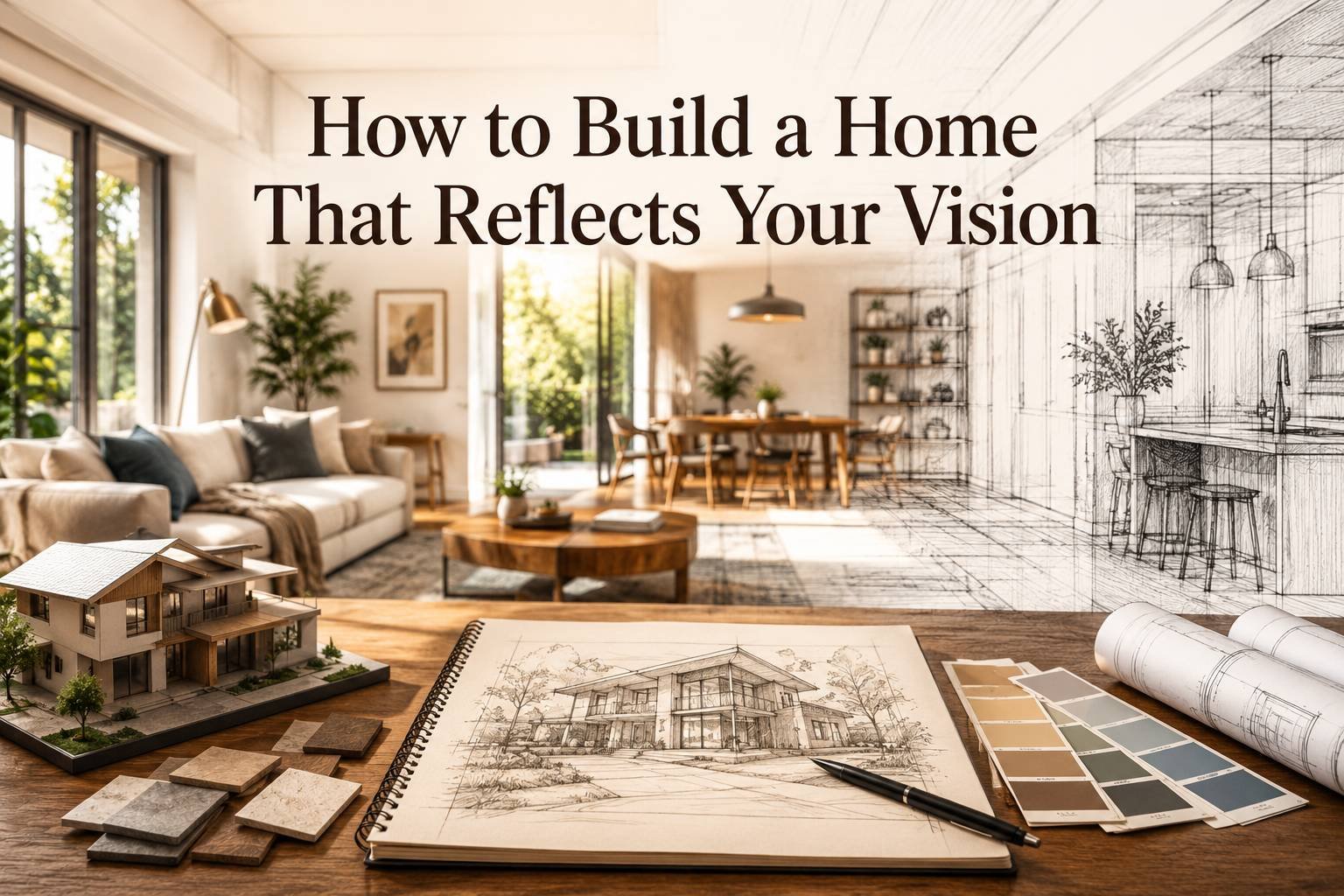
A home should be more than a well-constructed building. It is supposed to embody your personality, endorse your lifestyle, and make you feel comfortable each time you enter the door. Although design trends may be inspirational, the most memorable houses are those that depict the individual vision of the owners. Careful planning, clever use of space, and a well-chosen use of design elements are all part of making a home that is both practical and personal.
Many homeowners choose to work with an interior designer in delhi to turn their ideas into practical and visually appealing interiors. Professional planning can be used to guarantee that all rooms are in line with the vision of the homeowner.
Define Your Lifestyle and Priorities
The first step in any successful interior project is to know how the home is going to be used. There are various needs of families, working individuals, and the retirees that affect the design choices.
Determine your routines, storage requirements, entertaining habits, and plans before deciding on colours or furniture. Planning your home based on your needs means that no space will be wasted.
Create a Clear Design Direction
A clear design style brings uniformity within the home. Modern, contemporary, traditional, minimalist or transitional interiors, whichever you choose, the definite direction makes all design choices easier.
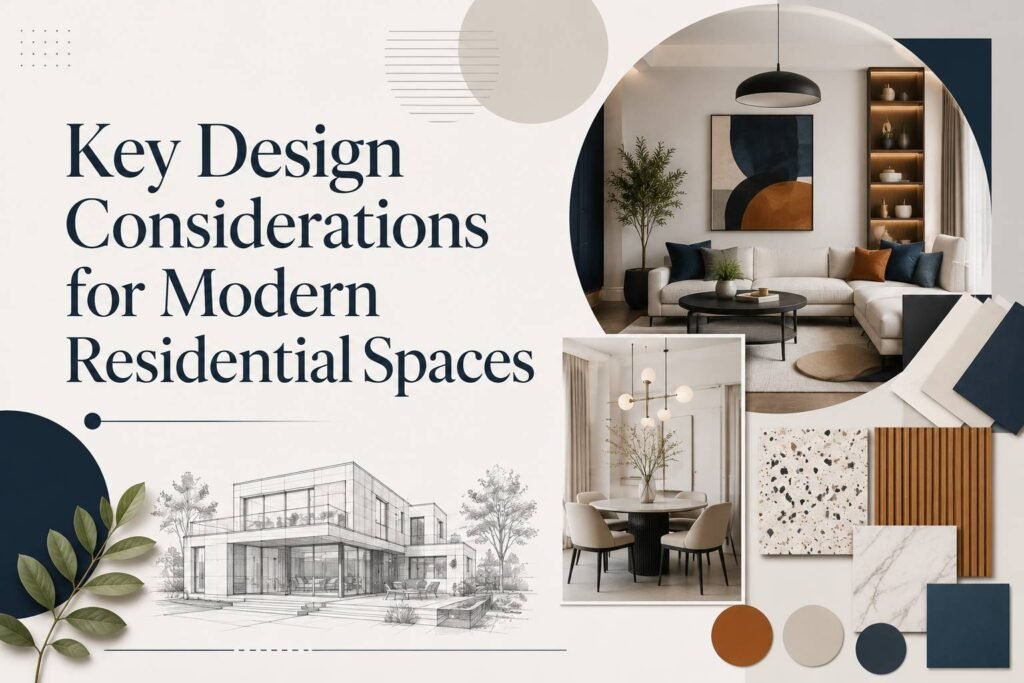
Establishing a coordinated design language can be achieved by creating mood boards, gathering inspirations, and determining desirable materials. Consistency makes the entire home feel more harmonious and visually connected.
Plan Every Space Carefully
An interior designer delhi ncr is aware that successful interiors cannot be achieved by the decoration itself but with careful planning of the space. Good layouts enhance movement, utilization of space and comfortable living conditions.
Designing furniture placement, circulation routes, and areas of activity before building or remodeling assists in avoiding expensive design modifications in the future.
Focus on Function Before Decoration
Beautiful interiors must never contradict daily living. A room that appears visually appealing but is not comfortable and practical might not suit long-term expectations.
Decorative accessories should be chosen after putting in place storage, lighting, seating, and accessibility. Functional design provides spaces that are fun to stay in.
Select Materials That Match Your Lifestyle
The choice of material determines your home look and strength. Maintenance needs should be considered when selecting flooring, countertops, upholstery, cabinetry and wall finishes, in addition to aesthetics.
Homes with children or pets may require more durable surfaces, while luxury interiors often combine premium finishes with practical materials for everyday use.
Make Storage Part of the Design
Good storage can be used to keep the interiors clean and tidy. Even well designed rooms may easily get cluttered without adequate storage facilities.
A large number of homeowners seek the services of an interior designer in delhi ncr to design personalized wardrobes, hidden cabinets, versatile furniture, and built-in shelving. Intelligent storage options enhance functionality and aesthetics.
Use Colours That Express Your Personality
Colours affect the mood of each room. The use of neutral palettes establishes a serene and classic interior, whereas bold colours bring in the sense of energy and uniqueness.
Rather than following temporary trends, choose colours that reflect your personality and complement your lifestyle. Thoughtfully chosen colour palette contributes to establishing emotional comfort in the house.
Layer Lighting for Comfort
One of the crucial elements of interior planning is lighting. The various layers of lighting provide flexibility and improve functionality and ambience.
Ambient lighting is general and task lighting is focused on particular tasks being performed, and accent lighting is used to illuminate architectural features or decorative objects. The combination forms harmonious and welcoming interiors.
Add Personal Details
A house truly becomes a home when it reflects the people living in it. Customised decorations generate emotional attachments which cannot be accomplished via generic design only.
An interior designer delhi will be able to make family photographs, artwork, travel collections, heirlooms, and customised furniture a part of the overall design. These details make each room unique and natural.
Think About the Future
Planning of interiors should be able to meet the current and future requirements. Flexible design solutions might be needed due to lifestyle changes like remote work, expanding families, or ageing parents.
Creating adaptable spaces today reduces the need for major renovations later. Flexible layouts provide greater long-term value and ensure the home continues to meet changing requirements.
Conclusion
Building a home that reflects your vision requires more than choosing attractive furniture or following the latest design trends. It involves understanding your lifestyle, planning functional spaces, selecting quality materials, and incorporating meaningful personal touches. Careful interior design makes sure that each room can be comfortable, practical, and self-expressive.
Ready to Transform Your Space? Let’s Create Something Exceptional.