Future-Proofing Your Home Through Better Interior Planning
One of the significant investments that most individuals make is a home; therefore, it is essential to create spaces that are both functional and attractive. Although trends may fluctuate, a well-thought-out home can accommodate new lifestyles, larger families, and new technology without the need to be renovated frequently. Future-proofing is about creating interiors that are flexible, functional, and capable of meeting both current and future needs.
Most homeowners prefer engaging the services of an interior designer in delhi so that their homes are designed in a way that they can be used over a long period of time. As life evolves, professional interior planning assists in developing spaces that are comfortable, efficient and attractive.
Start with a Long-Term Vision
The first step to future-proofing is to look beyond short-term design fancies. Homeowners should not just think about the prevailing trends but rather think of how their needs will evolve in the next few years.
The use of spaces can be affected by growing families, remote working, ageing parents and lifestyle changes among others. Early planning saves the expenses of making expensive changes in the future.
Prioritize Flexible Layouts
Designing flexible spaces is one of the best methods of future-proofing a home. Multi-purpose rooms are more flexible since the needs of the household change.
A guest bedroom can further be converted to a home office and a study space can be converted to a nursery. Flexible layouts can make the most of what is available without having to make significant structural adjustments.
Make Smart Use of Space
An interior designer delhi ncr knows how to use the available space to the fullest without compromising on comfort and functionality. Each corner must be designated with a specific purpose without overcrowding the home.
Thoughtful furniture placement, open layouts, and efficient circulation create interiors that remain practical even as living requirements change.
Invest in Durable Materials
Choosing high-quality materials helps maintain the appearance and functionality of a home for many years. Flooring, counter tops, cabinetry and upholstery must resist daily wear and need minimal maintenance.
Durable finishes can be costly in the short run, but in the long run, they save money on repairing and replacing. The value of a property is also maintained by long lasting materials.
Design Smart Storage Solutions
Storage needs tend to increase with the growth of the family and the change in lifestyles. It is better to plan sufficient storage at the initial stage to keep the interiors in order and without clutter.
In-built wardrobes, hidden cabinets, multi-purpose furniture and modular shelving provide versatile storage. Sophisticated organization ensures living spaces are practical and aesthetically pleasing.
Plan for Technological Advancements
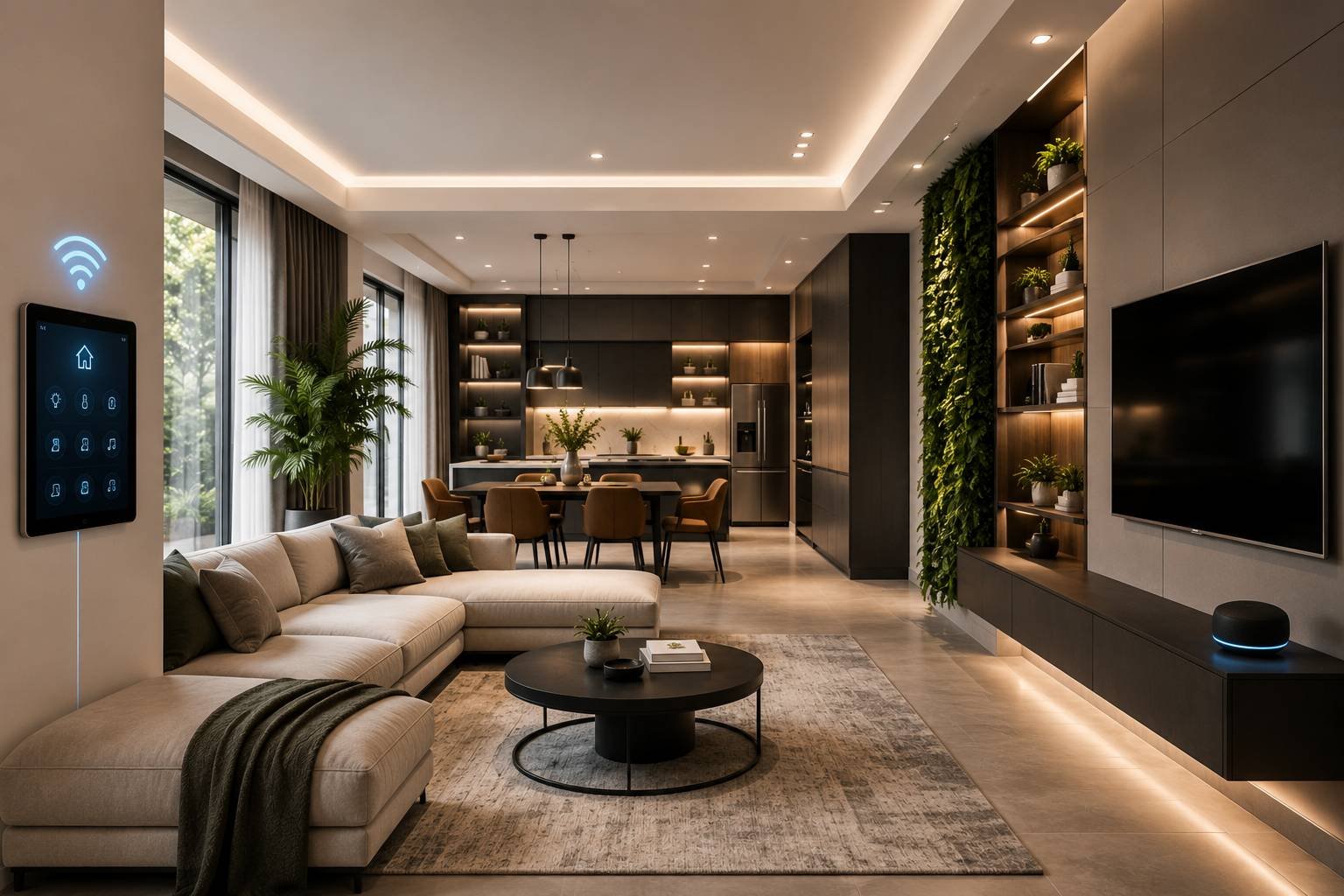
A lot of home owners approach an interior designer in delhi ncr to incorporate technology in their homes without having to sacrifice on the beauty. Planning for smart lighting, automated climate control, security systems, and entertainment solutions during the design stage simplifies future upgrades.
Hidden wiring, adequate power outlets, and adaptable networking infrastructure also render homes more accommodating to changing technologies.
Focus on Timeless Design
Trends in interior are always shifting, yet classic design principles will always be in use. Interiors are aged beautifully by neutral colour schemes, minimal architectural features, and traditional furniture styles.
Instead of keeping up with all the trends, homeowners have the opportunity to add personality by updating much easier accessories. This method keeps things fresh without the need to fully redesign.
Create Comfortable and Accessible Spaces
Future-proof homes should remain comfortable for people of all ages. Broad aisles, proper lighting, comfortable furniture, and convenient design enhance access and convenience.
An interior designer delhi has the ability to propose design solutions that will not only be comfortable but also elegant. Open interiors are beneficial to all, irrespective of age or physical capabilities.
Incorporate Sustainable Design Choices
Sustainability is now a crucial aspect of interior planning. Healthier living environments are achieved by energy-efficient lighting, eco-friendly materials, water-saving fixtures, and natural ventilation.
Sustainable houses also minimize the long-term operating expenses and promote environmental responsibility. Investment in efficient systems today guarantees future benefits.
Personalize Without Limiting Flexibility
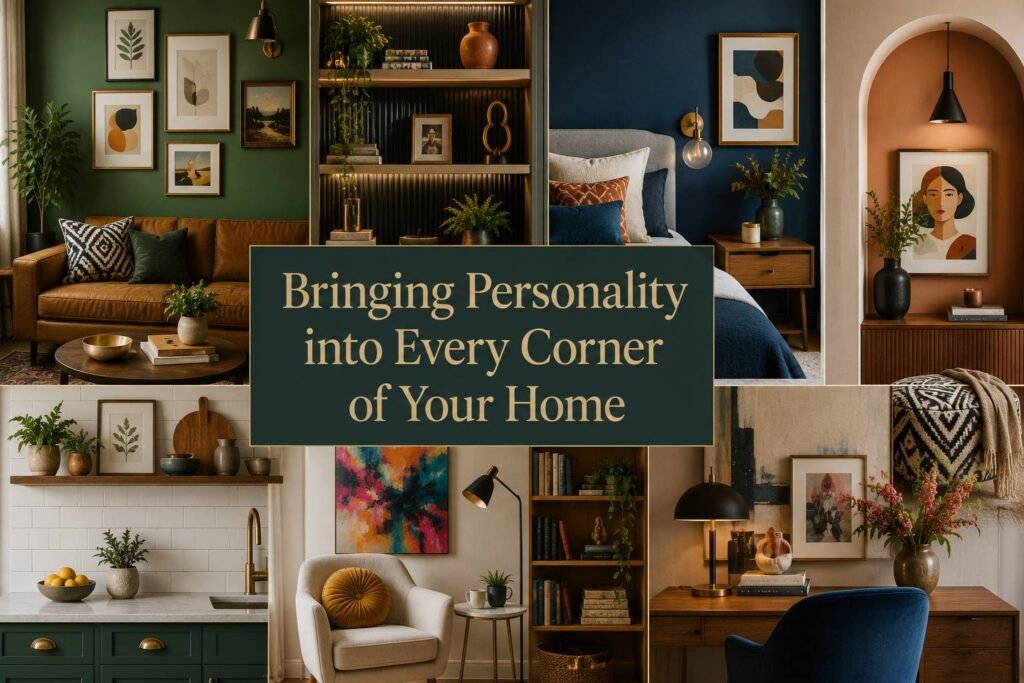
Personal touches make a home feel welcoming and unique, but they should not reduce future adaptability. Interiors are easily changed by selecting classic base and using replaceable decorations.
Art, carpeting, cushions, decorative items, and indoor plants can be changed as time goes by without altering the general design structure of the home.
Conclusion
Future-proofing your home refers to designing spaces that would be practical, comfortable, and attractive to your changing lifestyle. Flexible layouts, durable materials, smart storage, sustainable solutions, and integrated technology all contribute to interiors that continue to perform well over time. By planning ahead instead of reacting to changing needs, homeowners can reduce renovation costs while improving long-term comfort and functionality.
Ready to Transform Your Space? Let’s Create Something Exceptional.